Free · Five languages · Built in Singapore

Bonds, in plain words.

Thirty short lessons in the language you think in. No product, no sales pitch, no advice.

  • Free to use
  • No advertising
  • Your data is never sold
  • You choose who you speak to

Illustrative screen. The prototype is in a closed iOS test.

Why this exists

US$160 trillion Global fixed-income debt outstanding at the end of 2025 (SIFMA Capital Markets Fact Book). The largest asset class in the world, and the least explained to the people who own it.

Most people meet bonds across a desk, with a product already on the table.

Coupon, yield, duration, seniority, minimum denomination — the vocabulary arrives all at once, usually from someone who is paid when you buy. Coursework is written for exams. Broker pages are written to sell.

BondGuru starts from the other end. It teaches first, and it has nothing to sell you.

What you learn

Thirty lessons, three tiers, one vocabulary you keep.

Three to nine minutes a lesson, each ending in a short check. Tier 1 earns a Foundation badge in under an hour.

Tier 1 · Foundation

The nine lessons everyone should read before buying a bond.

Forty minutes, plus a six-question check.

  1. 01What is a bond?
  2. 02Coupons, face value, maturity, yield
  3. 03Minimum denominations: the gatekeeper
  4. 04How bond prices move
  5. 05Interest-rate risk and duration
  6. 06Credit ratings and what they mean
  7. 07Seniority: where you stand if things go wrong
  8. 08FX risk: buying bonds in another currency
  9. 09What can go wrong: the seven risks

In the current prototype
Tier 2 · Growth

How to tell whether a bond fits you.

13 lessons · Yield to maturity · Credit spreads · Callables and perpetuals · Clean versus dirty price · How bonds are actually bought in Singapore and Hong Kong · +8 more

Planned · authoring from Q4 2026

Tier 3 · Mastery

Reading what the professionals read.

8 lessons · Prospectuses and term sheets · The yield curve · Funds versus direct bonds · Relative value · +4 more

Planned · authoring from Q1 2027

How it works

Learn. Explore. Then choose your own next step.

  1. 01

    Learn

    Short lessons in five languages. Progress is saved, and every check can be retaken.

  2. 02

    Explore

    Look up real bonds and read their terms in the words you just learned. Save the ones you want to follow.

  3. 03

    Choose

    Ask for a licensed adviser when you want one, and pick the institution yourself. Or simply keep learning.

In the prototype today

  • Tier 1 lessons, with progress and checks
  • English, Simplified and Traditional Chinese
  • MyBonds: save bonds, read their terms explained
  • The adviser request, initiated by you
  • Closed iOS test build

Planned for the production release

  • Android and public iOS release
  • Malay and Bahasa Indonesia
  • A searchable bond universe with plain-language pages
  • Coupon calendar, alerts and a practice simulator
  • An alphabetical directory of licensed institutions
  • Tier 2 and Tier 3 lessons as they are authored

Talking to an adviser

You ask. We introduce. They advise.

You arrive at the conversation knowing the vocabulary. The adviser arrives knowing you asked. Neither side wastes the first meeting.

What you control

  • You start it. No adviser appears until you ask for one.
  • You choose the institution. The full panel, alphabetical. Nothing is matched or ranked for you.
  • You choose what to share. Lessons, saved bonds, your question — each one opt-in.
  • You see the fee disclosure first. Before anything is sent, you are told BondGuru may be paid for the introduction.

What the adviser receives

  • A consented request from someone who asked to talk, with a preferred time.
  • Only what you shared: topics covered, bonds saved, your question.
  • Never a judgement about you. No suitability view, no risk score, no ranking. That is the adviser's work, under their licence.

The boundary, in one place. BondGuru teaches. It does not advise, assess suitability, recommend products, rank or match anyone, hold money, place orders or arrange transactions. It is structured as an introducer: you pick the institution from the full panel, the fee arrangement is disclosed before anything is sent, and every regulated conversation happens with the licensed institution you chose. Introductions are available only where an institution has joined the panel, which is disclosed in full inside the app.

Are you the adviser? See what your side looks like

A taste of the method

Four questions to ask before you say yes to any bond.

Every lesson has this shape: a plain question, a plain answer, one thing to check on the document in front of you.

  1. Who exactly owes me the money?

    The issuer named on the term sheet, not the bank that sold it to you. Look for the legal entity, and for whether a parent guarantees it.

  2. Where do I stand if things go wrong?

    Senior, subordinated, perpetual or contingent capital are different places in the queue. The coupon usually tells you how far back you are standing.

  3. What does the yield assume?

    Yield to maturity assumes you hold to the end and the issuer pays every coupon on time. A callable bond can end early, on the issuer's terms, not yours.

  4. What happens to my money if rates move?

    Prices fall when rates rise. Duration tells you roughly how much. A bond you never sell still shows that price on your statement.

Who builds it

Written by someone who spent twenty-five years on the other side of the desk.

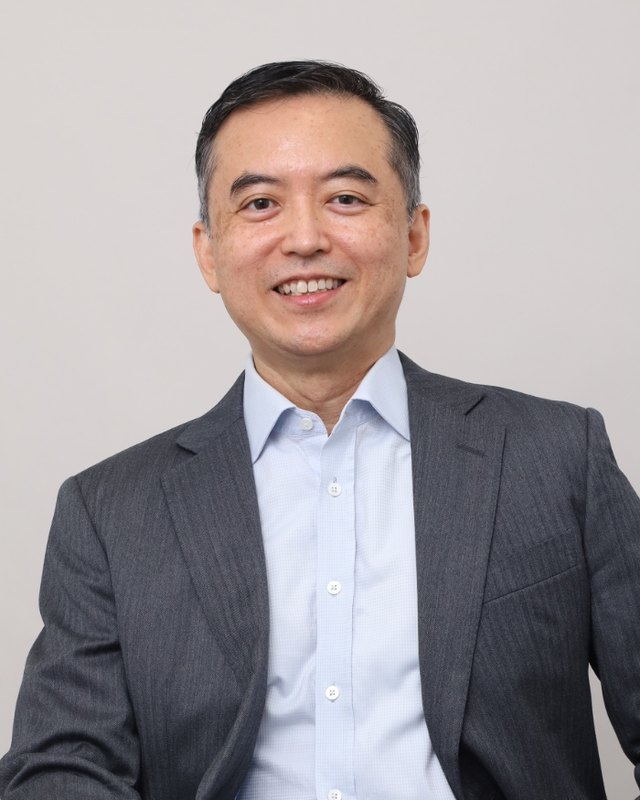
Patrick Wong, founder of BondGuru

“For most of my career I explained bonds one client at a time, across a desk, with a product already in the room. The clients who did best were those who had learned the investment vocabulary before we met. BondGuru exists so that everyone can arrive that prepared.”

Patrick Wong, Founder CFA charterholder · MBA Finance, McMaster University Twenty-five years in institutional & private banking fixed income: Executive Director and discretionary portfolio manager at UBS Singapore, Senior Discretionary PM at Credit Suisse, Chief Executive of Zhongtai International Asset Management Singapore, and Head of Origination and Execution, Treasury at Bank of Nova Scotia Asia.

Built with InterAktiv Technology, a Singapore-owned development firm established in 2003, led by Teng Chuan Hiang.

Early access

Be one of the first to learn bonds this way.

Early access, a direct line to the author of the lessons, and a say in what gets written next. Free, and no obligation to speak to anyone.

Prefer email? Write to admin@bondguru.app